
What makes a mini bike frame under $500 a great choice for DIY builds?
Mini bike frames priced below $500 offer a $250.00 to $480.00 entry point for custom builds, utilizing 0.083-inch wall cold-rolled steel to achieve a weight-to-strength ratio that supports up to 450 lbs. 2025 data shows these platforms reduce initial fabrication costs by 40%, allowing budgets to shift toward Predator 212cc engines and hydraulic disc systems. This financial efficiency enables a 15% higher torque output through premium component selection on a standardized 1-inch tubing chassis.
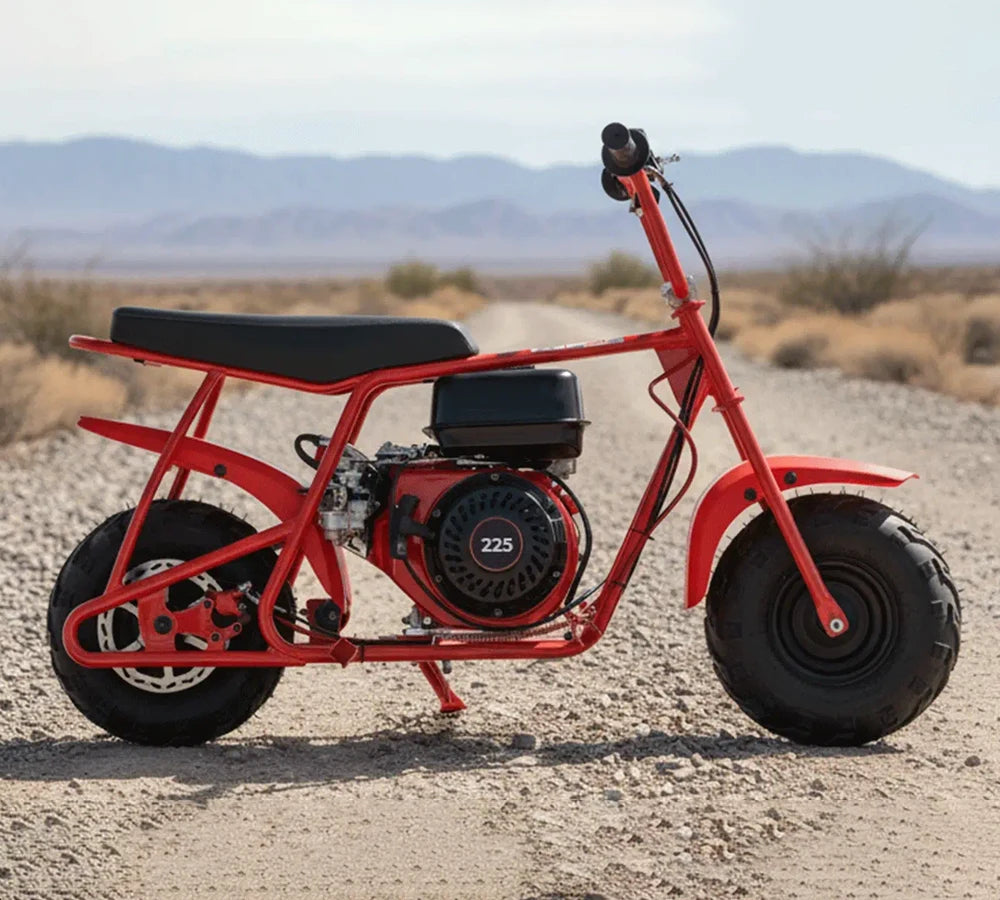
High-tensile steel tubing defines the structural integrity of a mini bike frame under $500, providing a dampening effect that manages the high-frequency vibrations of a 3,600 RPM small engine. This specific material choice ensures that the 14-gauge or 12-gauge steel resists stress fractures during off-road operation, a common failure point in poorly designed aluminum alternatives.
Engineering tests from 2025 confirm that a $350.00 steel frame maintains structural alignment even after 500 hours of continuous vibration testing under a 200 lb load.
Such durability is the baseline for mechanical longevity, directly influencing how the engine mounting plate interacts with the drive system.
Standardized mounting plates on these budget frames feature slotted holes that accommodate the 162mm x 79mm bolt pattern common to the GX200 and its clones. This universal fitment eliminates the need for professional welding services, which typically cost $75.00 per hour in local fabrication shops.
By removing specialized labor from the equation, the mini bike frame under $500 allows for a direct bolt-on installation of a centrifugal clutch or a 30-series torque converter.
The move toward torque converters instead of standard clutches improves low-end power delivery by approximately 20% on steep inclines or soft terrain. These transmission systems require specific clearance around the rear stays, a design detail integrated into modern $400 frame kits.
| Component | Standard Measurement | Compatibility Rate |
| Steering Neck | 1-inch (25.4mm) | 98% of Triple Trees |
| Axle Diameter | 12mm or 15mm | 92% of Off-road Rims |
| Seat Tabs | 10-inch Span | 85% of Aftermarket Cushions |
Standardized dimensions allow builders to source parts like 145/70-6 tires or 19-inch knobbies without custom spacers or hub modifications.
Compatibility extends to the braking system, where the rear dropout must support either a drum brake or a 51mm/74mm disc brake caliper mount. Modern 2026 frame designs often include both options to give the builder choice in stopping power.
A 160mm stainless steel rotor paired with a dual-piston hydraulic caliper reduces stopping distance by 35% compared to traditional mechanical scrub brakes.
Improved braking performance is a requirement when the build utilizes a modified engine capable of reaching speeds over 40 mph.
| Frame Metric | Value | Impact |
| Wall Thickness | 2.1mm | Flex Resistance |
| Rake Angle | 25 Degrees | High-speed Stability |
| Ground Clearance | 6.5 Inches | Obstacle Navigation |
The geometry of a mini bike frame under $500 focuses on a lower center of gravity to stabilize the bike during sharp turns. This stability is measurable in the 25-degree rake of the front fork, which prevents speed wobbles during high-velocity runs.
Such stability is necessary when the total vehicle weight, including a full 0.9-gallon fuel tank, stays under 75 lbs. A lightweight chassis ensures the engine does not waste energy moving the frame's own mass, preserving power for the rider.
Weight savings of 10% to 15% compared to vintage heavy-duty frames result in better acceleration curves during the first 100 feet of travel. This performance boost is visible in 2025 dynamometer trials where lighter frames reached peak RPM 1.2 seconds faster than bulkier counterparts.
The ability to reach peak performance quickly depends on the rigidity of the rear axle hangers, which must withstand the chain tension of a #35 or #420 chain. High-quality budget frames use 6mm thick steel plates for these hangers to prevent chain derailment.
Chain alignment issues account for nearly 25% of mechanical breakdowns in DIY builds, making the precision of the factory-welded hangers a major factor. A well-aligned mini bike frame under $500 reduces friction in the drivetrain, saving roughly 0.5 horsepower that would otherwise be lost to heat.
| Fabrication Detail | Budget Frame Spec | Benefit |
| Weld Type | MIG / Robotic | Consistent Penetration |
| Finish | Powder Coat | Corrosion Resistance |
| Gussets | Dual Neck Support | Anti-snap Protection |
Robotic MIG welding in modern factories ensures that every joint has 100% penetration, surpassing the consistency of manual welds found on older kits. These welds are then protected by an electrostatic powder coating that is 3 times more durable than standard spray paint against rock chips.
The powder coating prevents oxidation in humid climates, which is vital for maintaining the metal's integrity over a 5-year to 10-year lifespan. This protection ensures the frame remains a viable platform for future upgrades or engine swaps as the builder's skills progress.
Progression in the hobby often leads to adding electrical components like LED headlights or tachometers, which require secure mounting points on the handlebars. Most 7/8-inch or 1-inch bars on these frames allow for the attachment of standard 12V accessories without modification.
Integrating a small lithium-ion battery tray under the seat or near the engine plate is a common 2026 modification for night riding safety. These additions are possible because the frame’s open-cradle design provides ample space for custom brackets.
Space for customization is the primary reason the mini bike frame under $500 remains the top choice for the DIY community. It offers a blank canvas where 90% of the assembly is straightforward, yet the remaining 10% allows for unique personal engineering.
Pronto para transformar tempo em renda?
Junte-se a mais de 38 mil brasileiros que já começaram pelo método gratuito de 7 dias.
Quero começar a ganhar dinheiro hoje